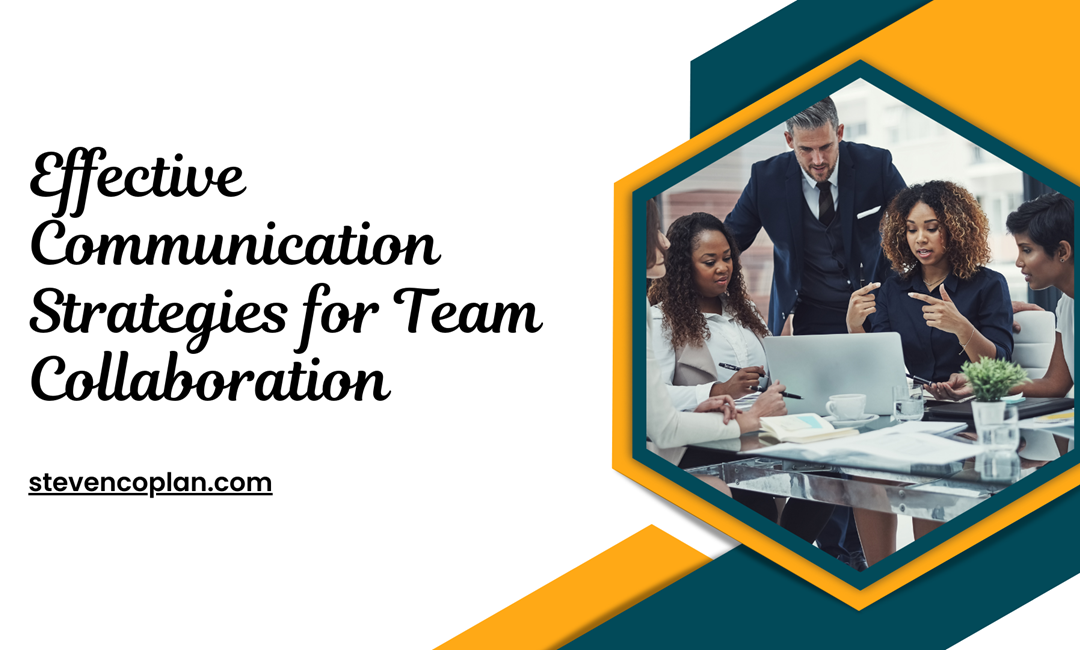
Effective communication is the cornerstone of successful team collaboration. In today’s fast-paced and often remote work environments, clear and efficient communication strategies are more critical than ever. Implementing these strategies can enhance productivity, foster innovation, and create a cohesive team dynamic.
One fundamental strategy is establishing clear communication channels. Teams should agree on which platforms to use for different types of communication. For instance, email can be used for formal communication and detailed discussions, while instant messaging tools like Slack or Microsoft Teams can handle quick questions and informal conversations. Video conferencing tools such as Zoom or Google Meet are essential for meetings and face-to-face interactions, especially in remote settings.
Setting clear expectations is another vital aspect. Team members should know what is expected of them regarding communication frequency, responsiveness, and availability. Defining these expectations helps prevent misunderstandings and ensures that everyone is on the same page. Regularly scheduled check-ins and meetings can help keep everyone aligned and provide opportunities to address any issues or concerns.
Active listening is a crucial component of effective communication. Team members should practice listening to understand, not just to respond. This means giving full attention to the speaker, asking clarifying questions, and reflecting on what has been said before contributing. Active listening fosters mutual respect and ensures that everyone feels heard and valued.
Another important strategy is encouraging open and honest communication. Team members should feel comfortable sharing their ideas, feedback, and concerns without fear of judgment or retaliation. Creating a safe and inclusive environment where diverse perspectives are welcomed can lead to more innovative solutions and a stronger team dynamic.
Utilizing collaborative tools can significantly enhance team communication. Tools like Trello, Asana, or Monday.com help in tracking tasks, setting deadlines, and ensuring transparency in project progress. Document-sharing platforms like Google Drive or Dropbox facilitate easy access to important files and collaborative editing. These tools streamline communication and ensure that everyone has access to the information they need.
Clear and concise communication is also essential. Whether it’s an email, a chat message, or a presentation, clarity should always be the goal. Avoiding jargon, being specific, and using bullet points or numbered lists can help convey messages more effectively. Visual aids like charts, graphs, and slides can also enhance understanding, especially for complex information.
Providing regular feedback is key to continuous improvement and effective collaboration. Constructive feedback should be specific, actionable, and delivered in a respectful manner. Regular feedback sessions, both formal and informal, help address issues promptly and reinforce positive behaviors.
Finally, fostering a culture of collaboration involves recognizing and celebrating team achievements. Acknowledging individual and team successes boosts morale and encourages a sense of shared purpose. Celebrations, whether big or small, remind team members that their contributions are valued and appreciated.
In summary, effective communication strategies for team collaboration include establishing clear communication channels, setting expectations, practicing active listening, encouraging open communication, utilizing collaborative tools, ensuring clear and concise messaging, providing regular feedback, and celebrating achievements. Implementing these strategies can significantly enhance teamwork, drive productivity, and foster a positive and collaborative work environment.